
A Texas Influencer Just Declared War on Legal Wolf Hunters
I've been hunting in Montana for years now; I have learned one important fact.
You do not have to like all hunting seasons, regulations, or management decisions. If someone hunts legally, purchases their tag, and properly harvests a wild animal (whether or not you agree with how things are managed), that is part of the hunting system.
Read More: Innovative Ways Ranchers Are Protecting Cattle From Wolves
That is why I struggled to read about a Texas animal rights activist/influencer posting a $10,000 reward for information that would lead to identifying individuals who have legally harvested Yellowstone’s famous wolf “wolf 1090 F” or other members of the Yellowstone wolf pack. The pack had left Yellowstone National Park and entered into an area where wolf hunting is allowed. The reason for the reward offer is to identify these hunters by name. So that they can "make them famous."
Let me be very clear.
I am not supporting poaching.
If someone intentionally kills wildlife without being authorized to do so, then there needs to be consequences. Laws exist to handle such situations, and they need to be enforced.
I am discussing lawful hunting of wolves.
There is a big difference between legitimate hunting and harassment.
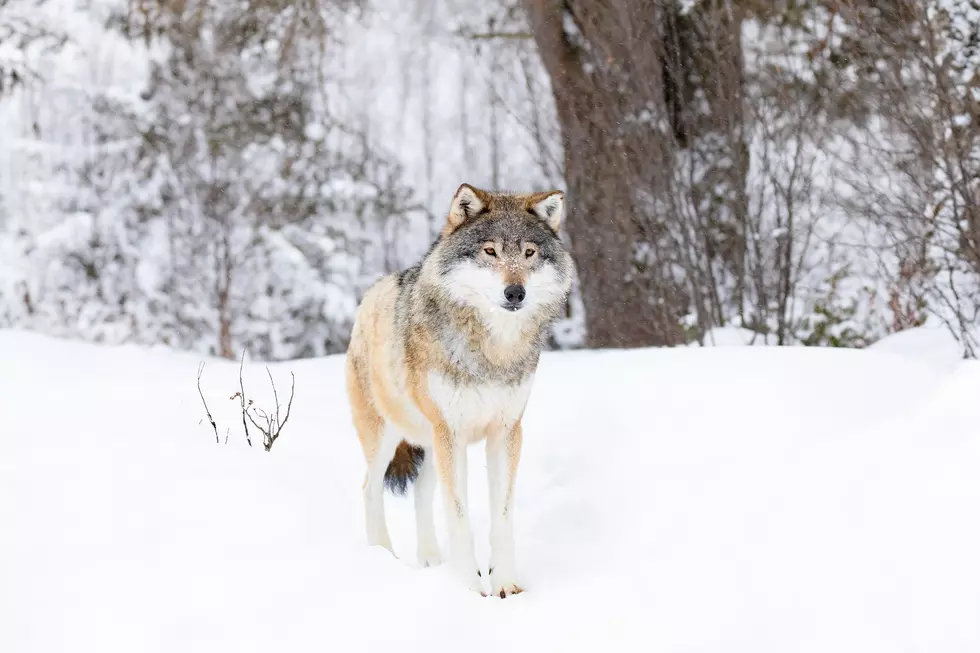
Any person who has spent much time hunting in Montana will tell you that wolves are still one of the most debated subjects regarding wildlife management in the Western United States. Hunters have watched how wolf management has changed elk behaviors in many areas. Outfitters have witnessed the argument firsthand. Wildlife managers continually struggle with maintaining a good balance between populations of predators and healthy numbers of game animals. People who understand both sides of the issue can reasonably disagree about what the ideal balance should be. What cannot be subjectively decided is whether someone who lawfully participates in a hunt should be harassed because of their participation in a legal hunt.
If I were to lawfully harvest a wolf (i.e., purchase a license/tag for doing so, follow all regulations, report the harvest according to requirements), I shouldn’t have to worry about someone "doxxing" me or encouraging others to find me. Or creating a situation where my family looks over their shoulder when they leave home. This is not managing wildlife. This is hunter harassment.
Respecting the Law – Regardless of Your Views
It is ironic that we currently have a system designed to address cases of unlawful killing of wolves.
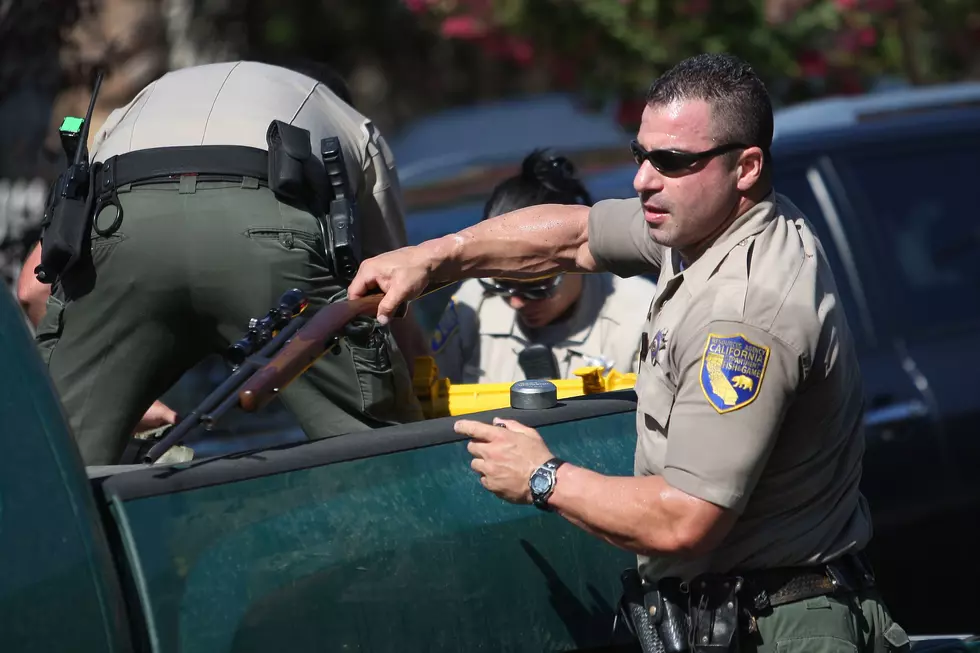
This past spring, wildlife officials from Montana and local conservation organizations posted rewards for information related to a wolf that investigators believed was unlawfully killed outside of Yellowstone National Park after hunting had officially ended in that area. This is precisely how such activities should be handled. Unlawful acts deserve investigation.
However, posting a reward to find someone who may have done nothing but lawfully harvest an animal? That is a boundary I don’t feel that we should cross. Regardless of whether you support or oppose wolves, this is really not the key issue here.
If we are willing to encourage public harassment of someone who strictly follows every single state and federal wildlife law in place, then where do we draw the line? Today it is wolf hunters. Tomorrow it could be swan hunters or moose hunters. That is a slippery path I do not wish for Montana, Wyoming, or the rest of the West to put up with.
States with the most registered hunters
Gallery Credit: Meagan Drillinger
More From Newstalk KGVO 1290 AM & 98.3 FM