
Fire Nearly Destroyed Montana’s “Baby” Ghost Town
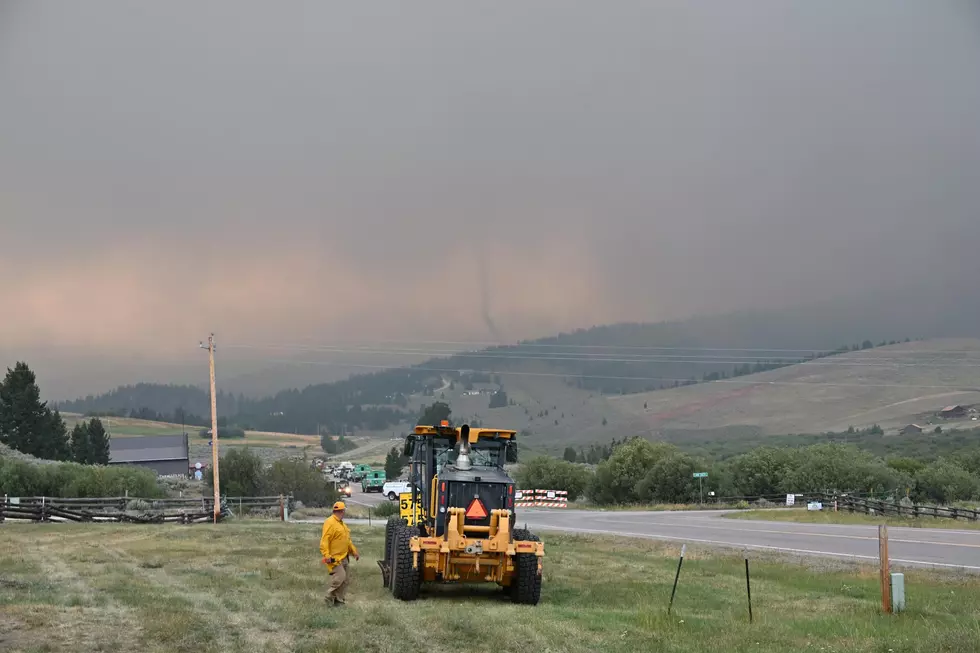
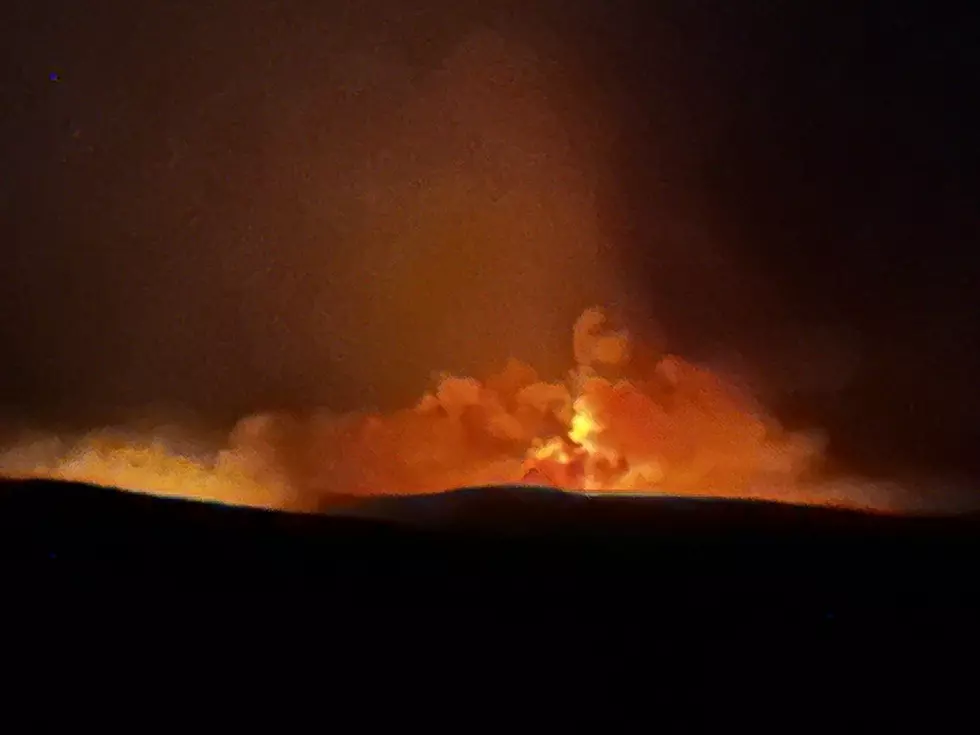
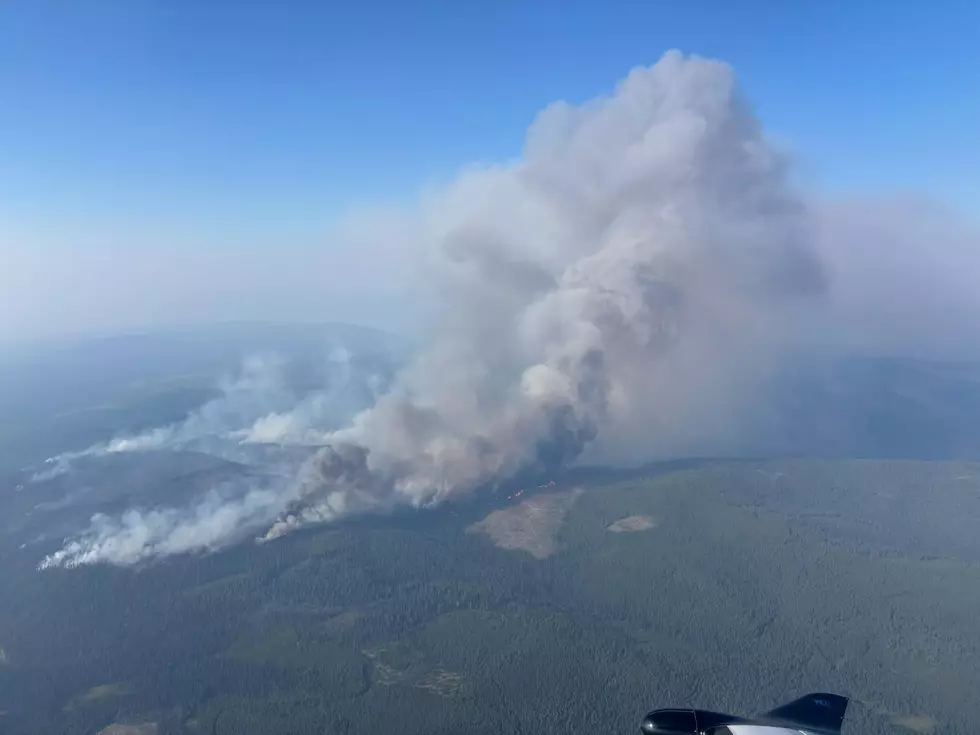
Firefighters are still working hard to keep the upper hand on the 33,000-acre Sand Creek Fire, the largest in the state this year.
But history fans are no longer as worried that the big blaze in the West Pioneers could erase what's left of Montana's "youngest" ghost town. That's a relief since the town of Coolidge was left on its own during the height of the fire, simply because it was too dangerous for firefighters in the townsite's narrow valley.
Coolidge was a Montana mining latecomer
Coolidge, which lies west of the Pioneer Scenic Byway on the edge of the East Pioneers, is one of Montana's last mining camps, being established in 1911 by former Montana Lt. Governor William R. Allen, who secured mining rights in the Elkhorn District and secured millions of dollars from East Coast investors.
The town, named after then-Senator and future U.S. President Calvin Coolidge, a friend of Allen's, was much more sophisticated than most of Montana's mining towns, with a narrow-gauge railroad connection, electric power used for the town, and the massive mill with its aerial tramway. That flotation mill, rated at 750 tons, was the largest and most advanced in the state.

Coolidge reached its peak in 1922 when the mill came online, with upwards of 350 residents, but a silver crash the following year ruined the plans, and the final blow was the collapse of the Pettingill, or Wise River Dam, in 1927.
⛰️ Today, there's not much left, outside of a few buildings and the bones of the massive mill. But it's a popular day hike, and exploration can uncover all kinds of surprises.
Coolidge came close to being destroyed
But even though there's value to the site, when the Sand Creek Fire was raging, fire managers said there was simply no safe way to protect the site if the blaze jumped the Byway.
On August 12th, Operations Section Chief Philip Knaub of Northern Rockies Team 1 told residents that while the main cabin at the site, which belonged to the mine manager, was on the list of historic structures. But he said when fire teams prioritize which structures to save, they do look at buildings that "look nice", but ones that can be safely protected, closest to the fire.
"That is not what we do. But we go from closest to the fire out. Coolidge has been out there," Knaub told residents at a fire meeting in Jackson. "Unfortunately, where Coolidge is, it is a one-way in, and one way out. Right?"
Jackson said Coolidge was at the far end of a dead-end forest road, a few miles from the Byway, and they weren't going to commit a fire team into the site because of safety concerns.
"With the way this fire is moving, we're not confident we'll be able to get in there," Knaub explained.
RELATED: Montana's Maverick Mountain Ski Area saved from fire

Looks like history is safe
Fortunately, cooler, wetter weather and an aggressive attack kept the Sand Creek from moving into the Coolidge site, saving a very unique, later example of Montana's mining history.
Firefighters did make it into the site later, and were able to wrap several of the important structures as a precaution, including the Frank Tyro House.
However, since that fire and the Bobcat Lakes Fire to the north are still very active, with the Byway closed, it looks like you may not be able to visit Coolidge this year, unless it's later this fall.
Montana's First Frost Dates 2026
Gallery Credit: Chris Wolfe
More From Newstalk KGVO 1290 AM & 98.3 FM