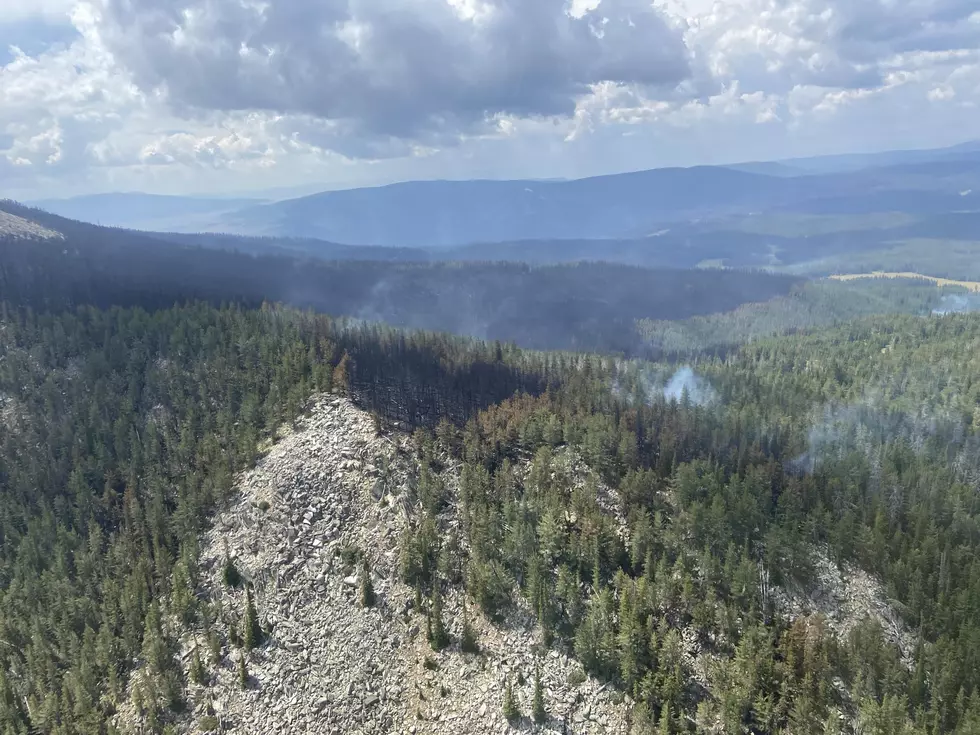
Cooler Weather a Blessing on These Big Montana Fires
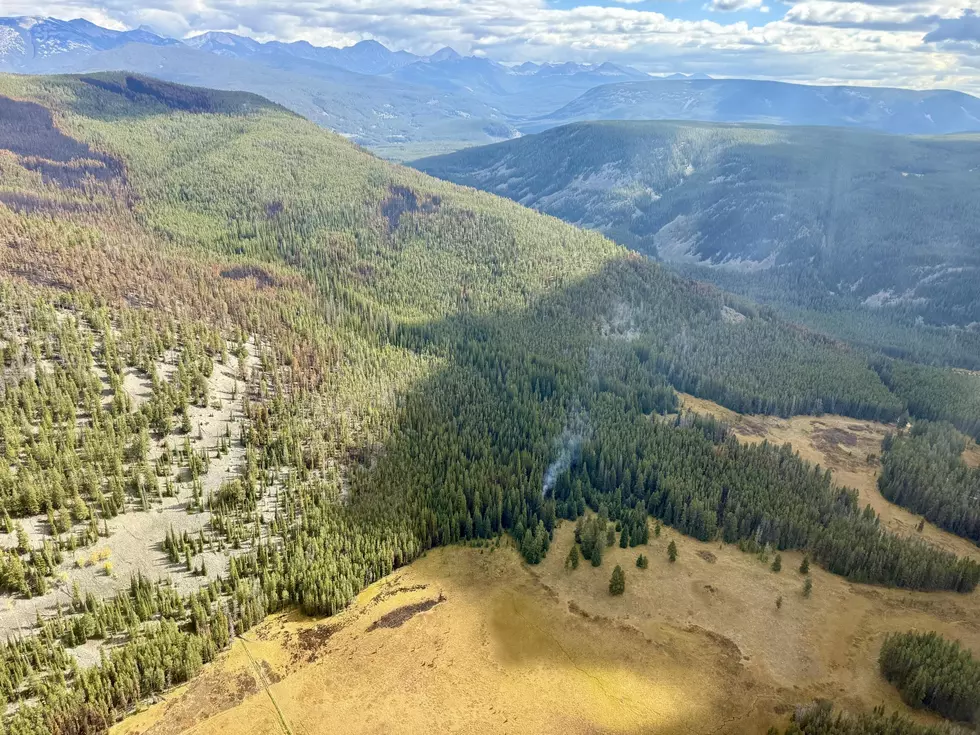
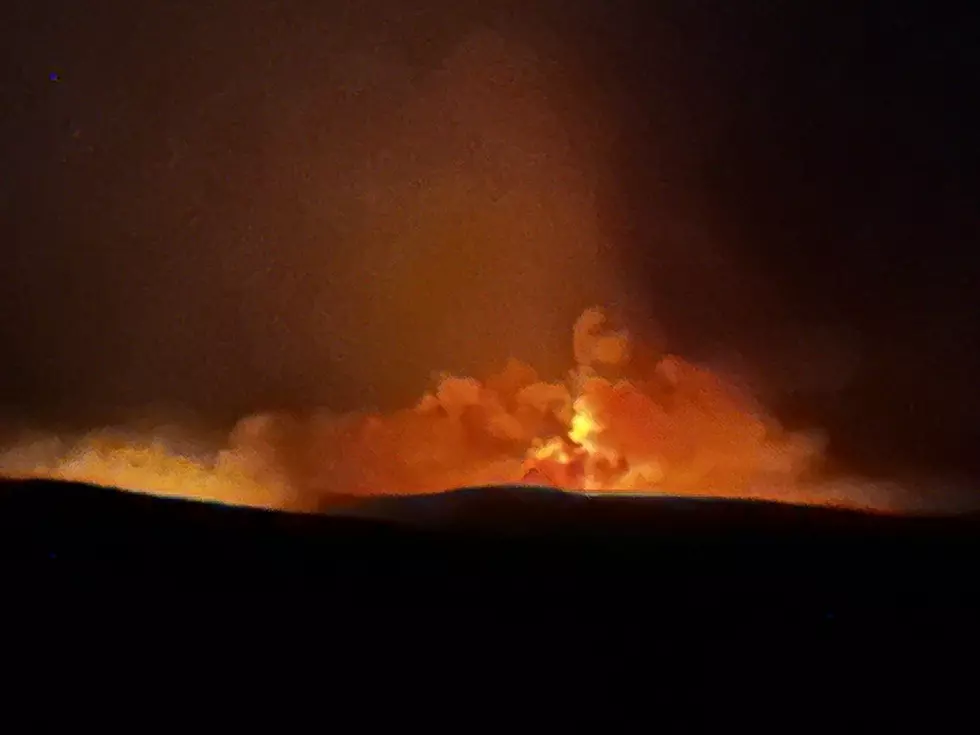
Fire teams spent the weekend taking advantage of the cooler weather and some rainfall, as they tried to get the upper hand on those two huge fires burning in the West Pioneers.
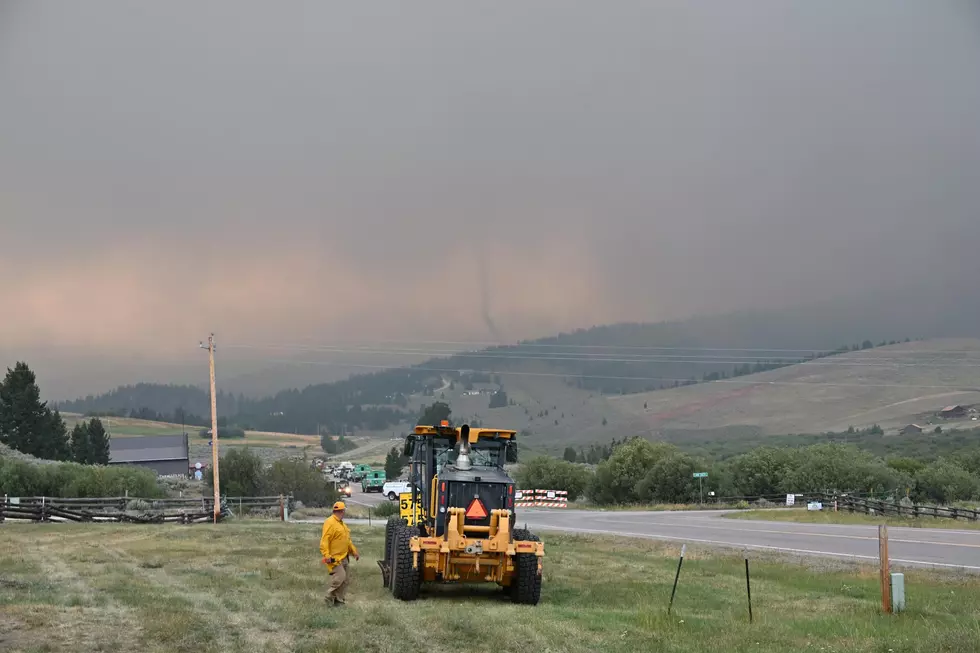
The Forest Service firefighters, along with help from Montana DNRC and local fire crews, continued to work the Sand Creek and Bobcat Lakes fires, which saw reduced fire activity through Sunday.
🔥 The Sand Creek Fire has now burned over 31,000 acres and is 1% contained near Maverick Mountain, while the Bobcat Lakes Fire is still under 10,000 acres with 10% containment.
Fire crews are continuing to build as much fire line as possible, even though the terrain is very rough and full of snags, using some "back burns" in an attempt to stall the fires by selectively taking away fuel sources. Operations Section Chief Phil Knaub says teams are also continuing to build line along the western edge of the fire to control it's descent into the Big Hole.
"This fire has the potential over the next couple weeks to move this way. We don't expect significant fire behavior, but completing this operation will provide just this good line and some black into that." - Operations Section Chief Phil Knaub
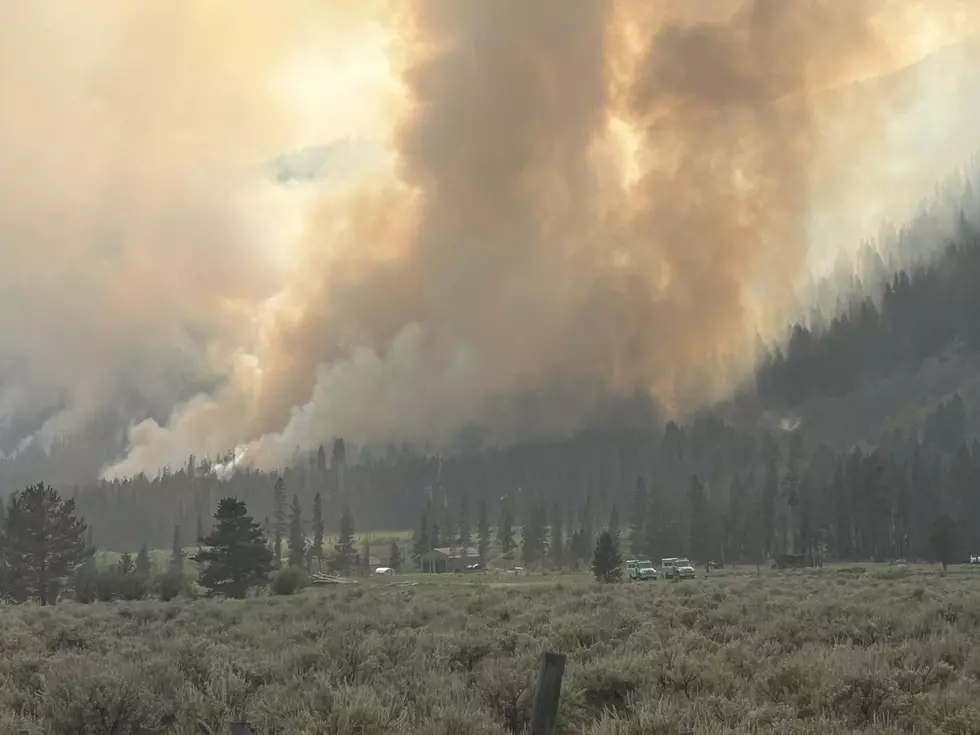
Hot shot crews are also attempting a direct attack along the southern front of the fire, with fire managers positioning rescue teams in the rugged terrain, and a short-haul helicopter nearby just in case there are any injuries.
"They're basically on the line below the helicopter, about 100 feet or so of that line, and that allows the helicopter to get lower that medical personnel in through the timber into really, really tight spaces," explained Knaub. "They get on the ground, and then they basically grab that patient, if there is a patient, and just pull them right out. So it's a very advantageous way to ensure we're getting the ability to extract somebody in this super duper hard country.
Road closures and evacuations remain unchanged.
Other fires slow
Containment on the Skillet Fire in the Flathead climbed to 75% on Sunday, with the burned area just over 3300 acres.
The Moose Fire, southwest of Philipsburg, is now just over 5600 acres. There's 20% containment on the Black Bear Fire southeast of Hamilton.
And the first time in a couple of weeks, DNRC reported no new fire starts Sunday.

Smoke expected to return
Montanans are breathing easier again as the change in the weather is helping to clear the smoke-clogged skies, especially in the valleys west of the Divide.
But National Weather Service forecasters are expecting more smoke as we enter into a warm, dry trend again this coming week.
Meteorologist Dan Zumpfe says that's largely because there's so much smoke being generated by the fires across the Northwest.
"We go back to southwest flow or a ridge of high pressure over us, which will warm and dry us out again, and let any of those fires that are still out there, kind of creep up, and produce some more smoke, Zumpfe explained.
"It's also expected the trend back to warm weather, after some of the winds right now, will cause all the regional fires to be more active, resulting in smoke issues that could last into September."
9 Items TSA Will Fine Montana Travelers Thousands of Dollars For
Gallery Credit: Chris Cardenas
More From Newstalk KGVO 1290 AM & 98.3 FM